40grid
Field-service management platform that helps pest-control and environmental service companies manage inspections, quoting, scheduling, service execution, billing, and customer communication across mobile and web.
OVERVIEW
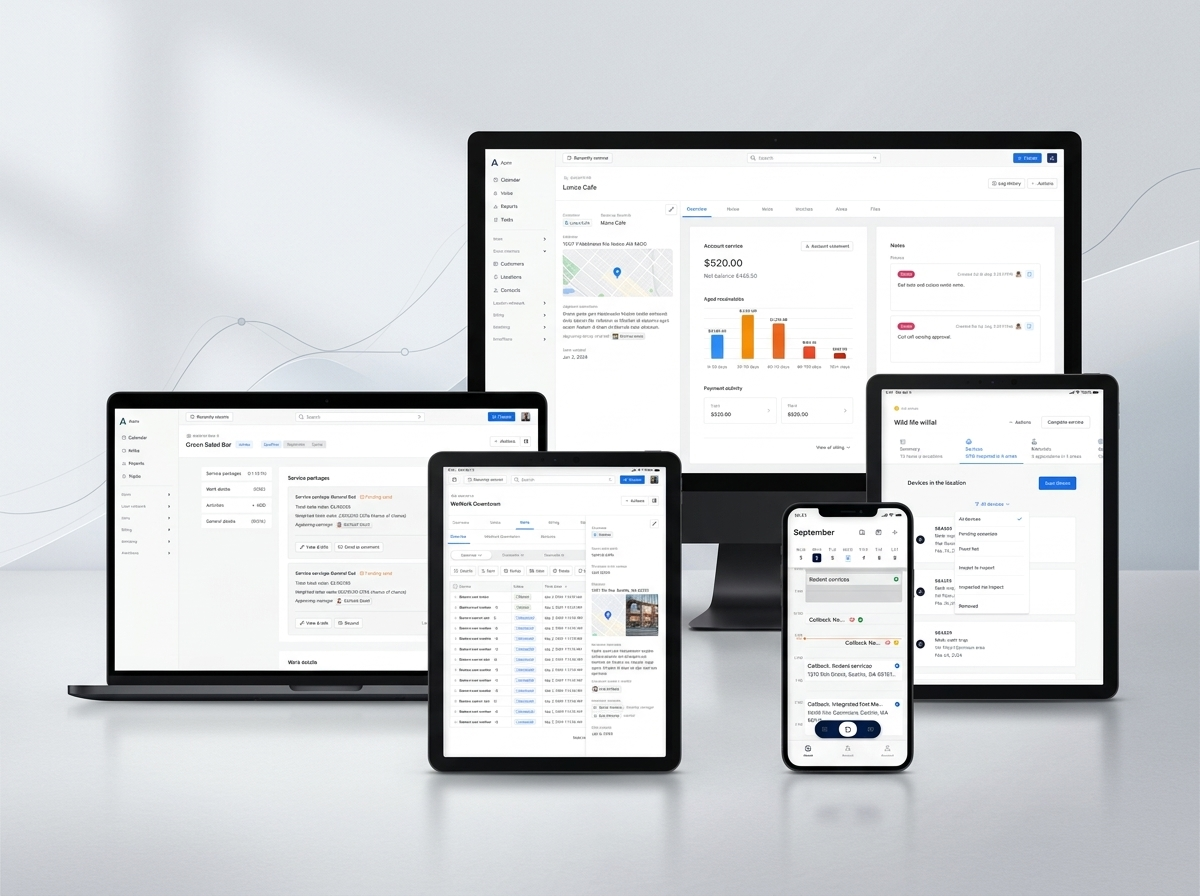
40grid provides operational software for pest-control and environmental service companies, supporting workflows across CRM, inspections, quoting, scheduling, service delivery, billing, and customer communication.
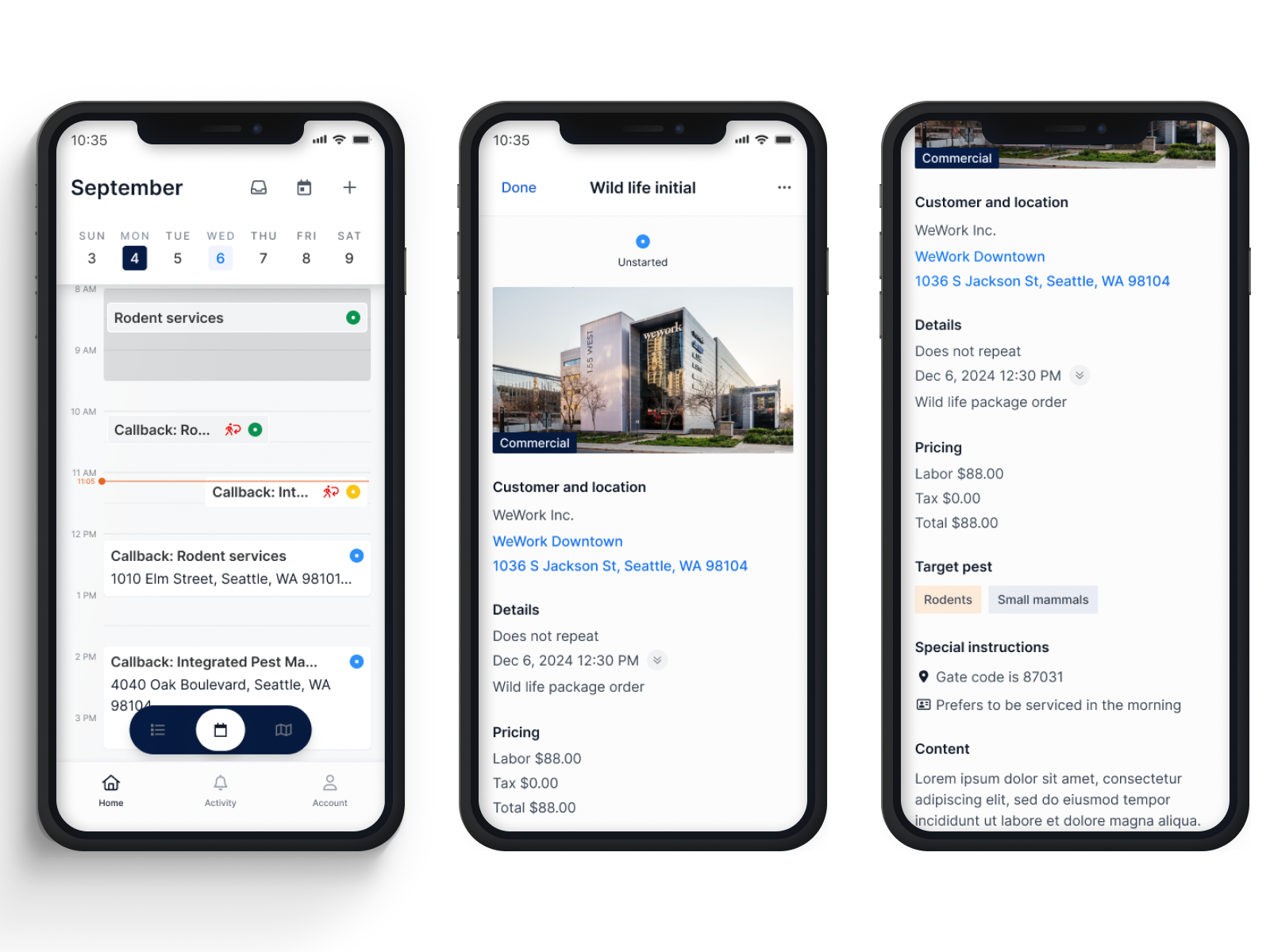
When I joined, the technician mobile application technically supported core workflows but the overall experience had become fragmented. Interactions were disconnected, navigation lacked predictability, and the product structure made it difficult to integrate new functionality without increasing complexity for field users.
Rather than continuing incremental feature delivery, I reframed the problem as an experience architecture challenge. I introduced a structured interaction framework for the technician application that aligned workflows with how technicians actually operate in time-constrained environments, while establishing a scalable foundation for future roadmap evolution.
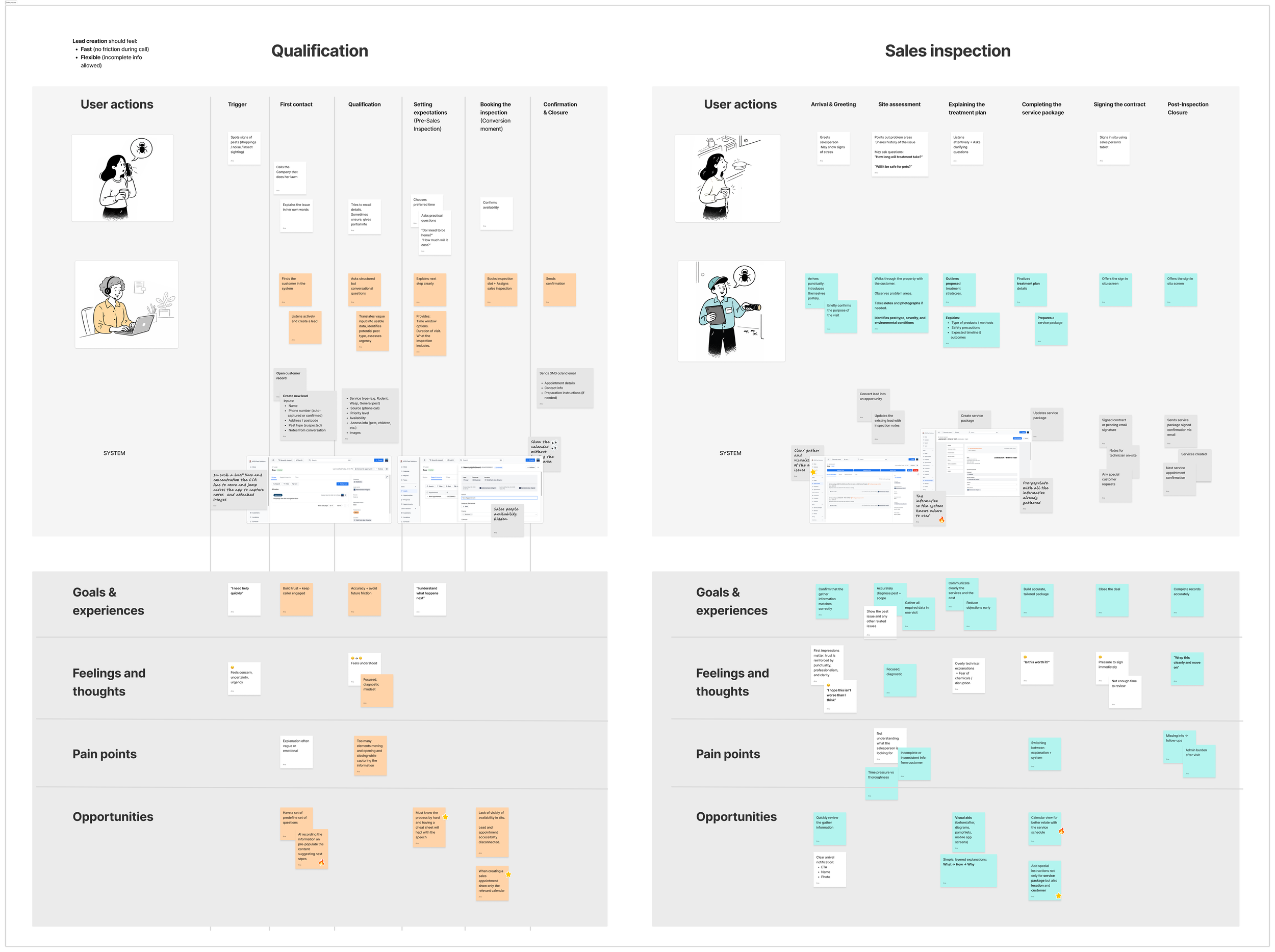
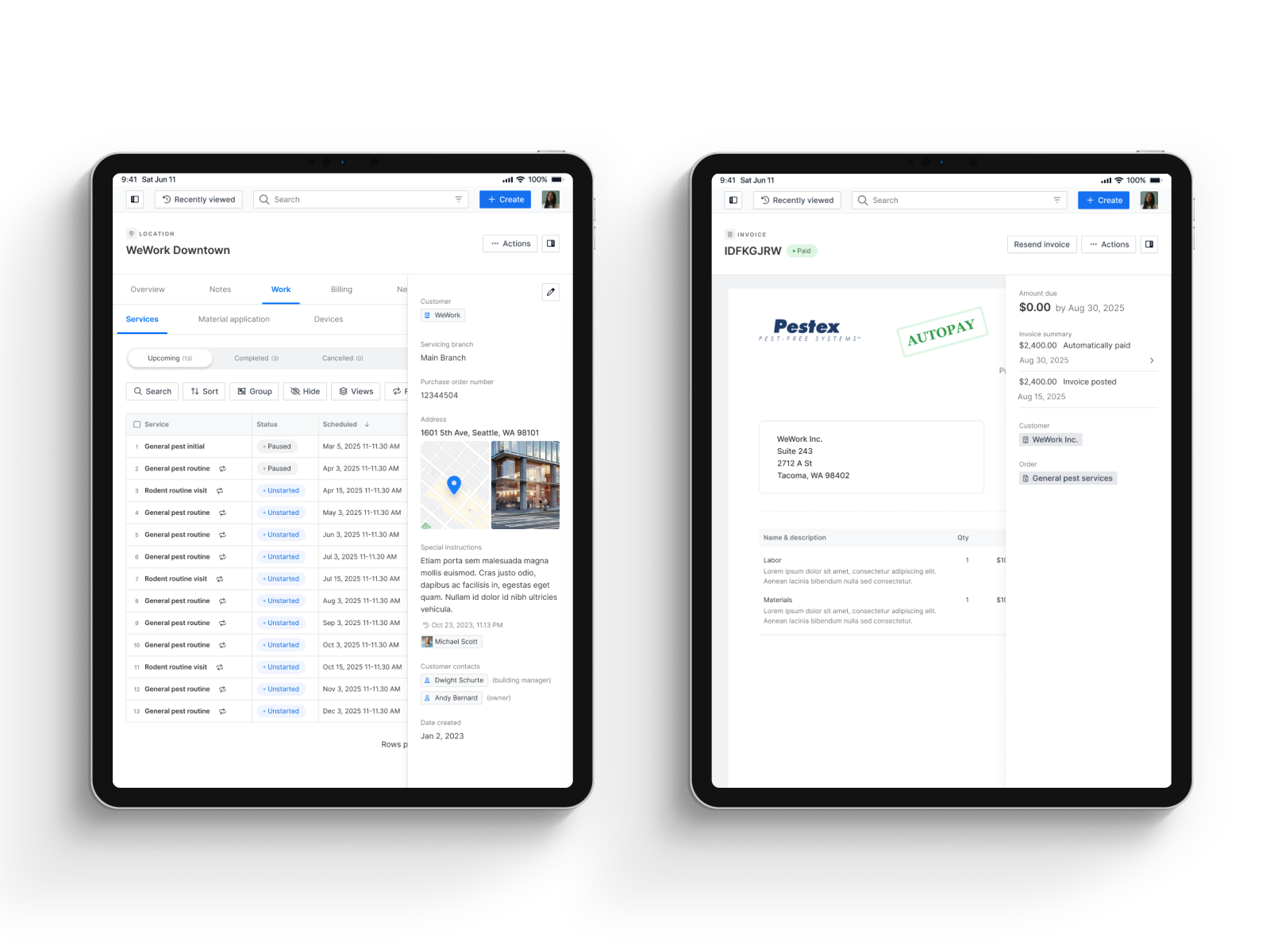
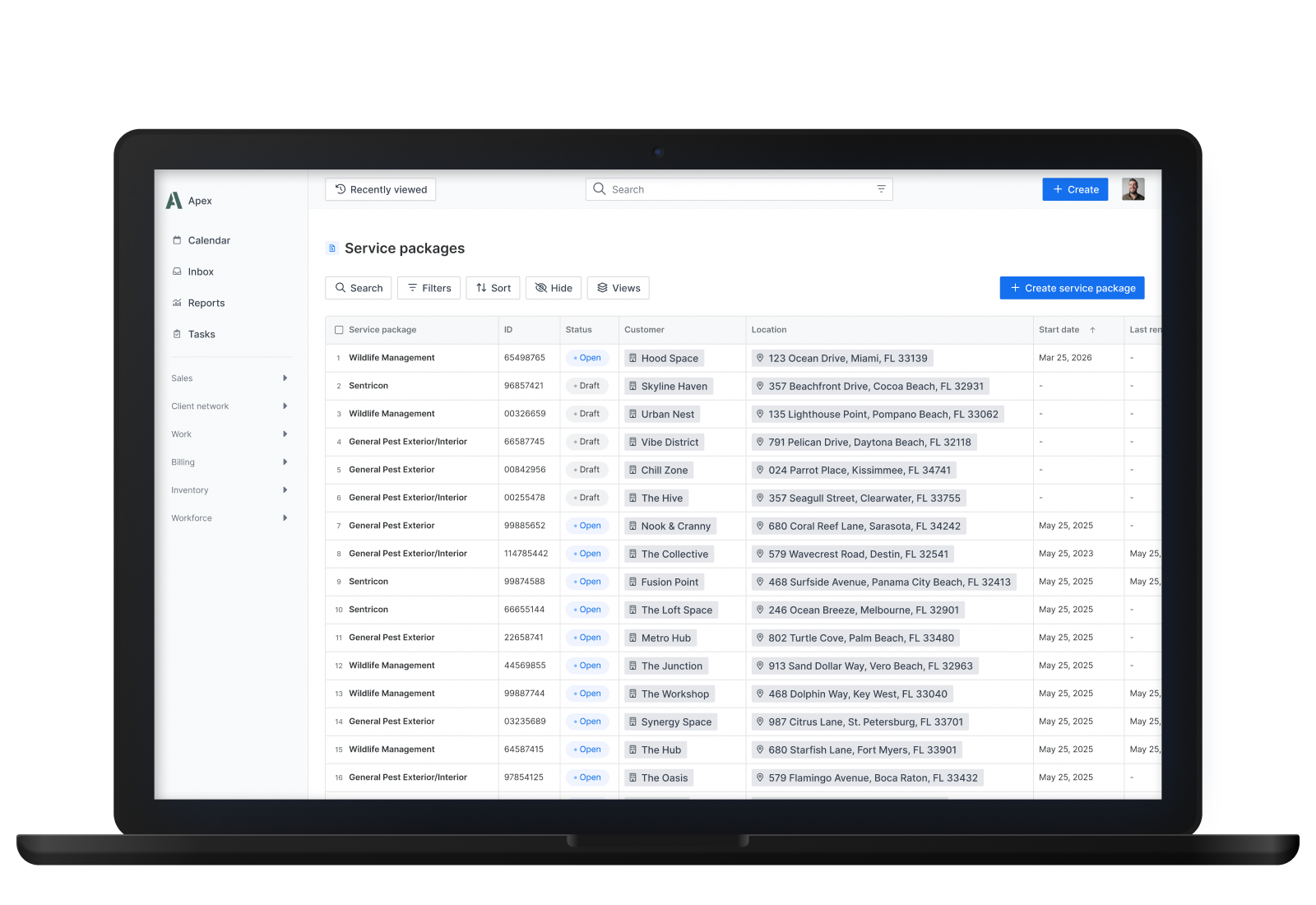
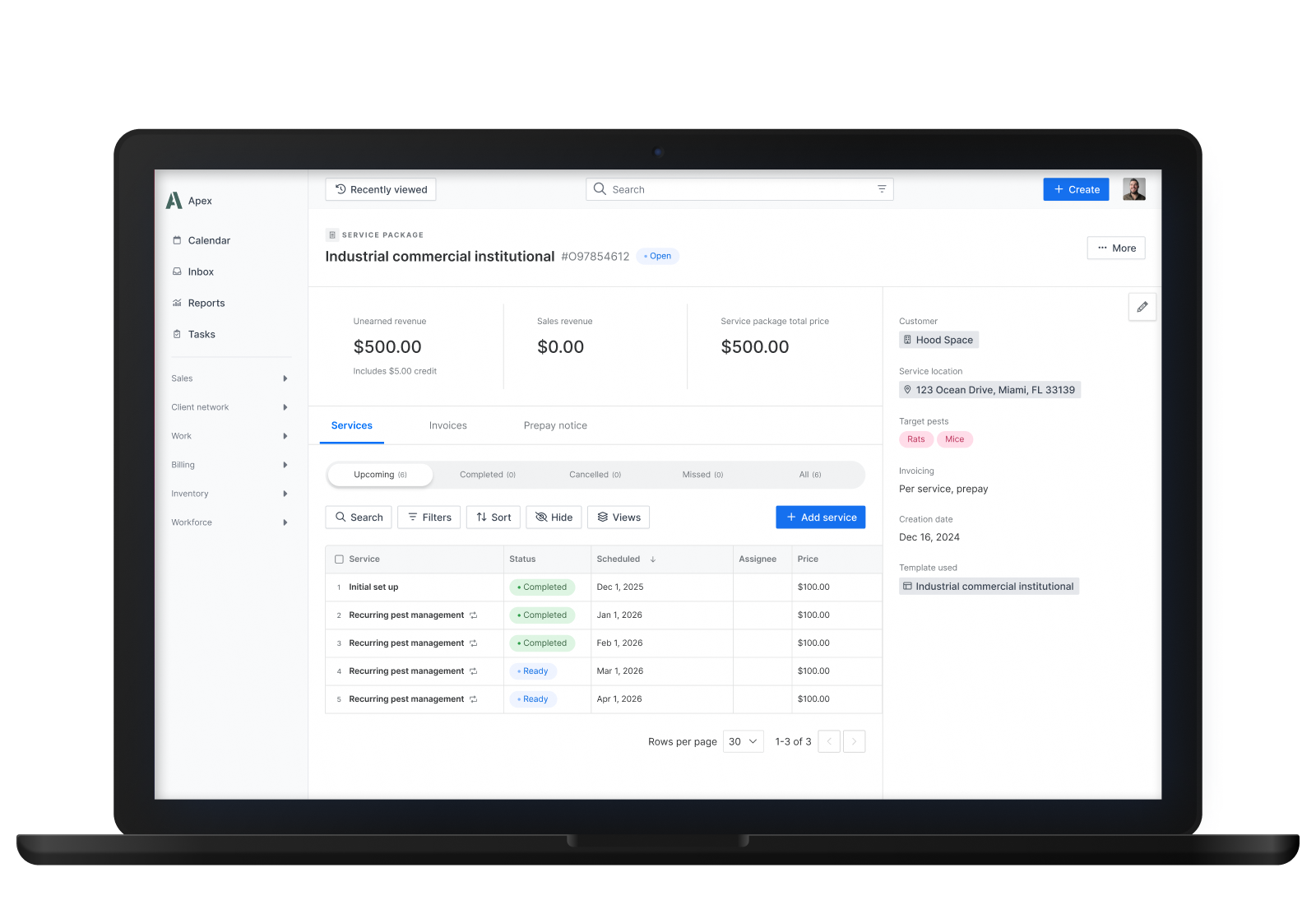
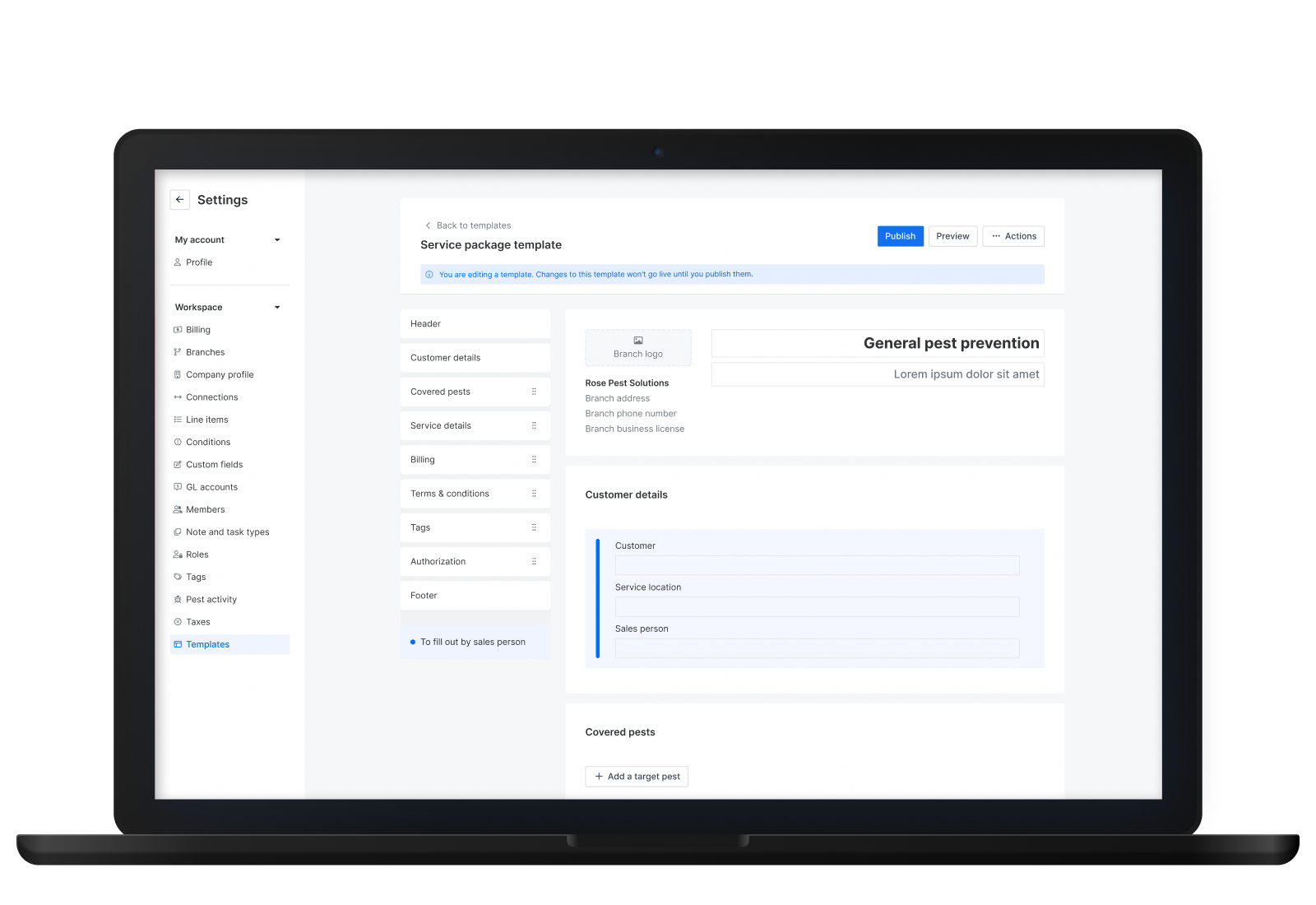
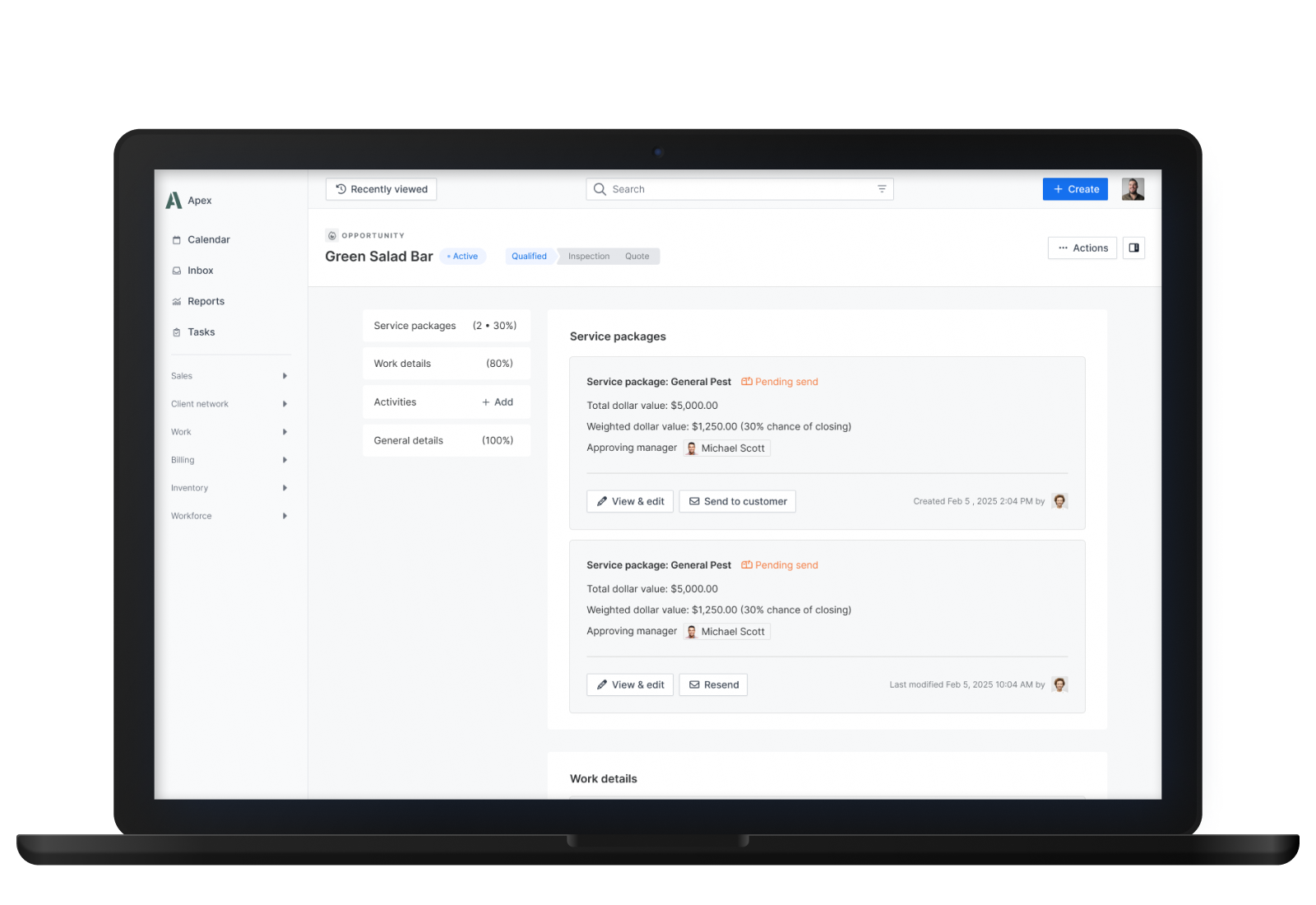
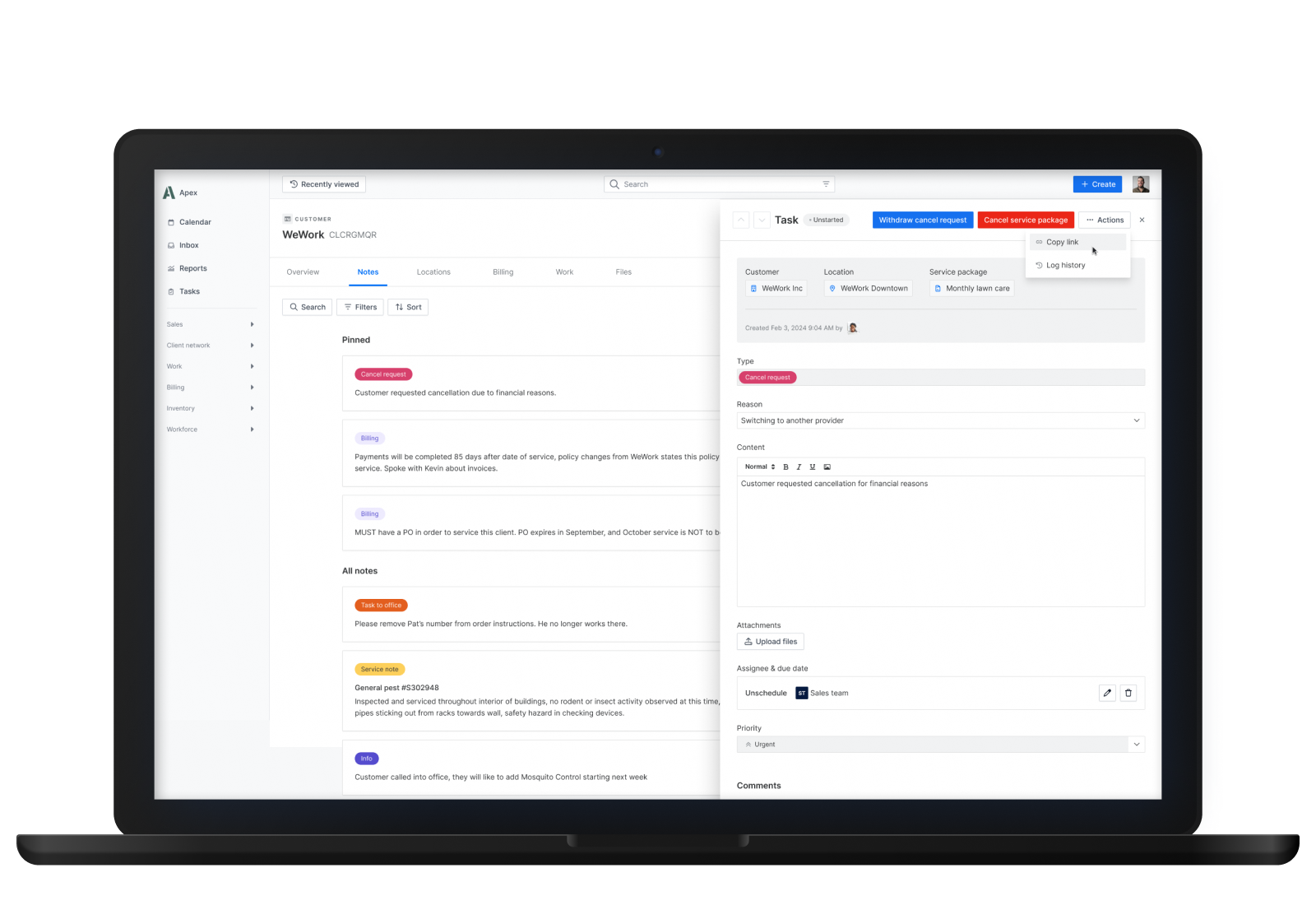
In parallel, I redesigned the service configuration and sales workflow model across the web platform, defining how inspections, quotes, service packages, and agreement closure operated as a coherent system across environments.
Together, this work stabilised the product foundation and enabled the platform to scale both operational execution and commercial workflows more effectively.
STRATEGIC FOCUS AREAS
Technician mobile experience restructuring for real-world service execution contexts
Service lifecycle architecture from inspection through agreement closure
Sales workflow modelling across leads, opportunities, and service packages
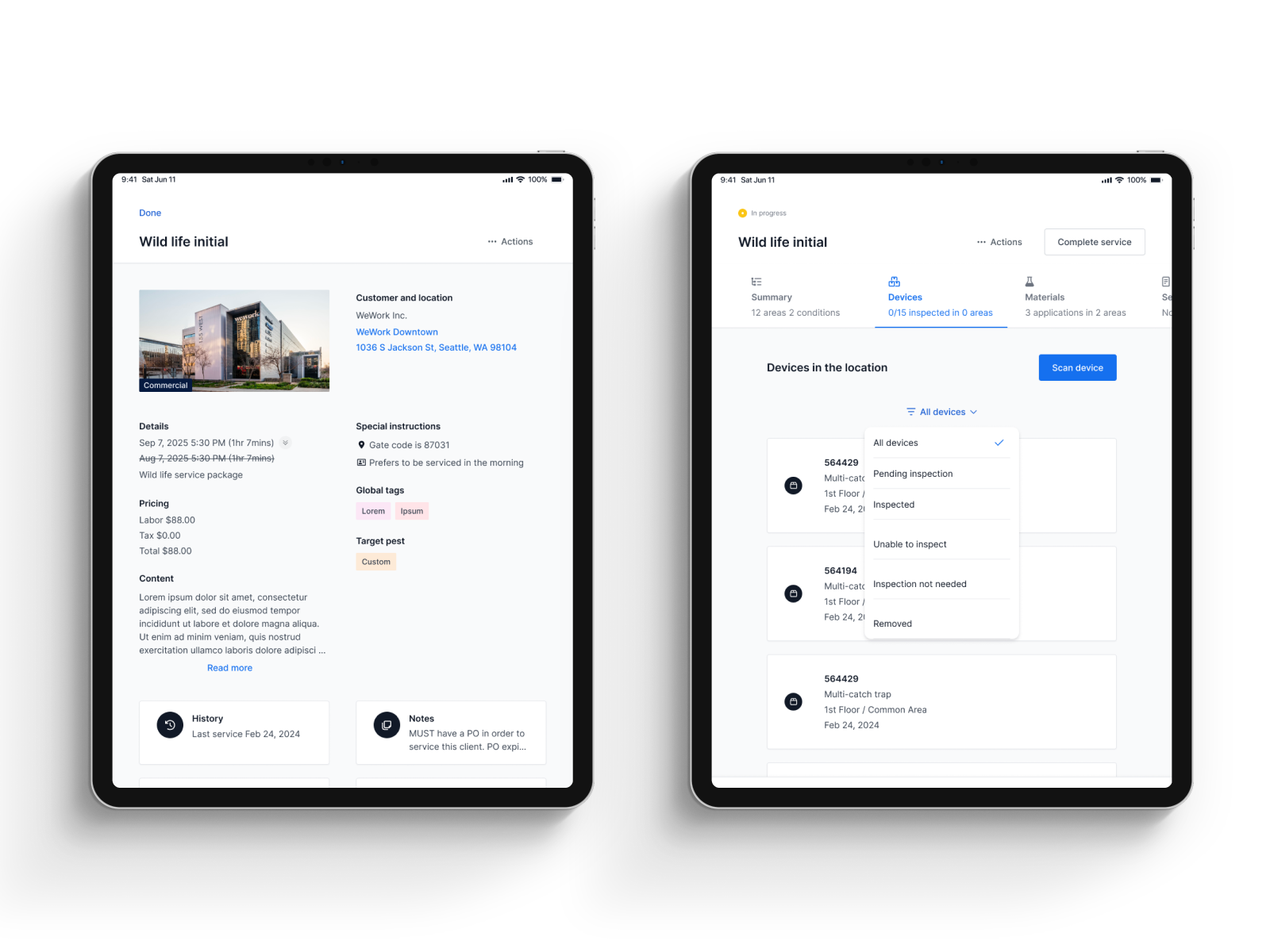
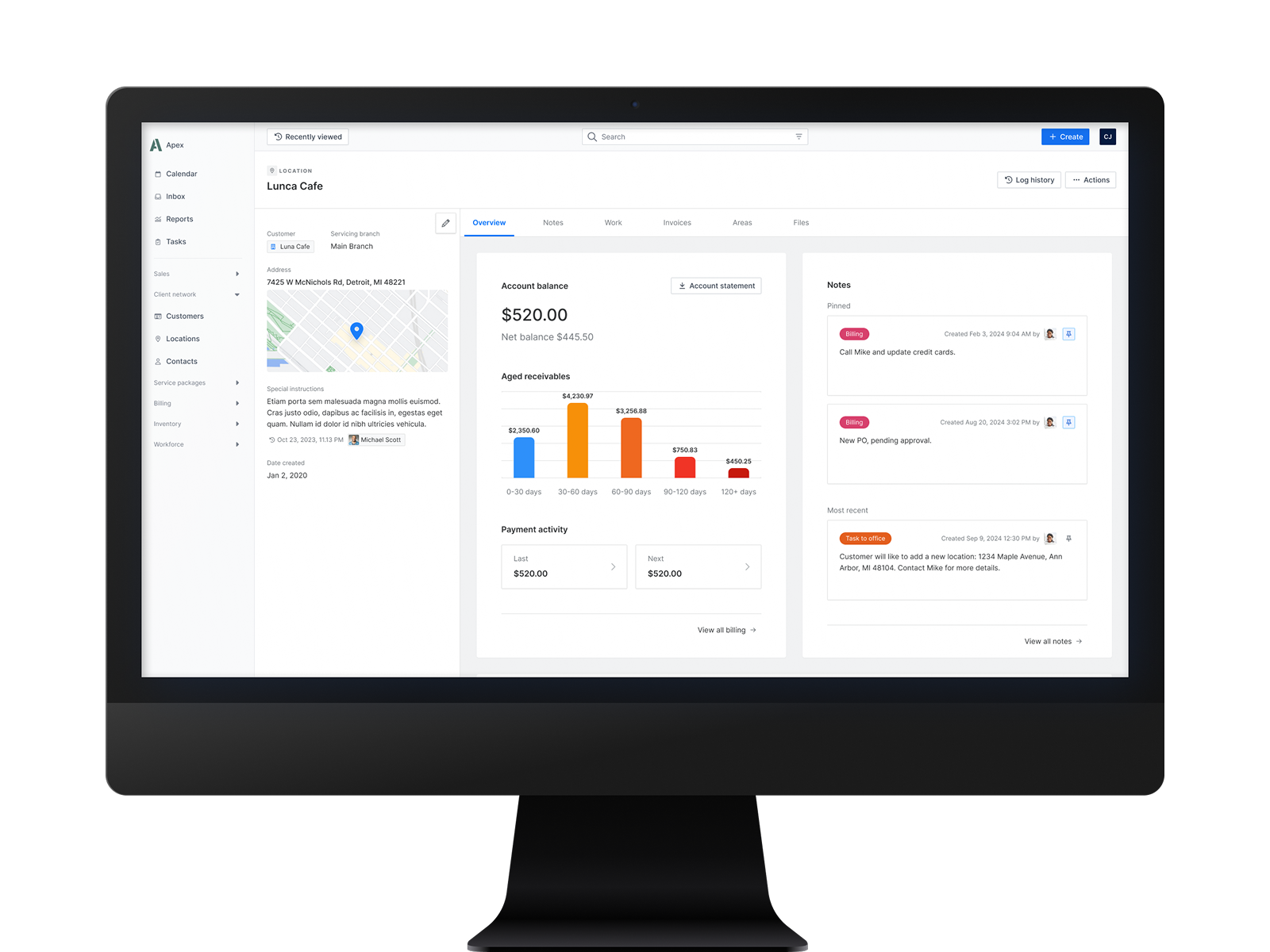
Cross-platform interaction alignment across mobile, tablet, and web
Guided workflow design reducing ambiguity in time-critical field environments
Roadmap stabilisation through structured experience frameworks
Responsive interaction principles across technician and office workflows
Automation through structured service and location attributes
Component patterns supporting scalable mobile delivery
Progressive rollout strategy aligned with engineering capacity constraints
APPROACH
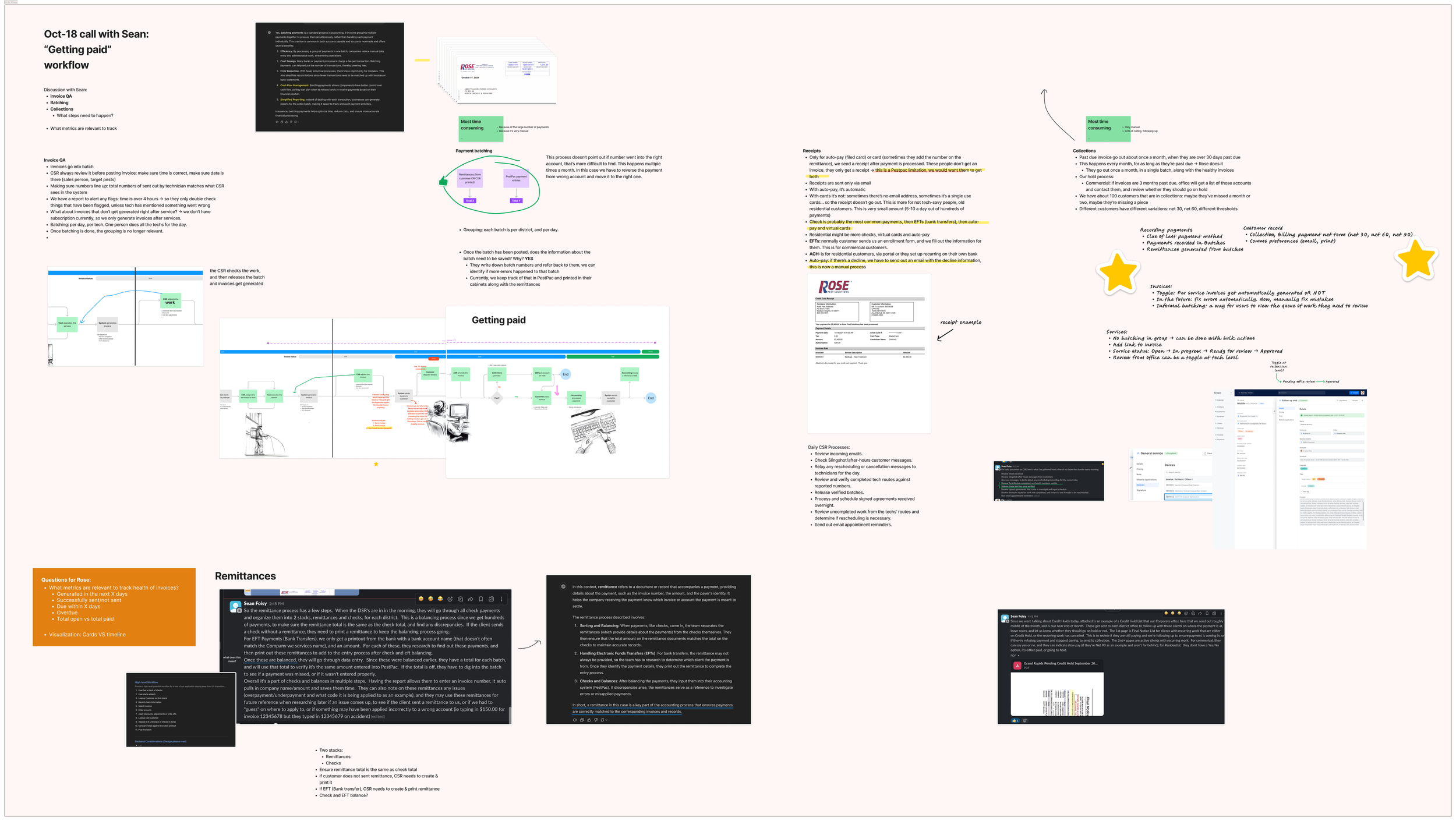
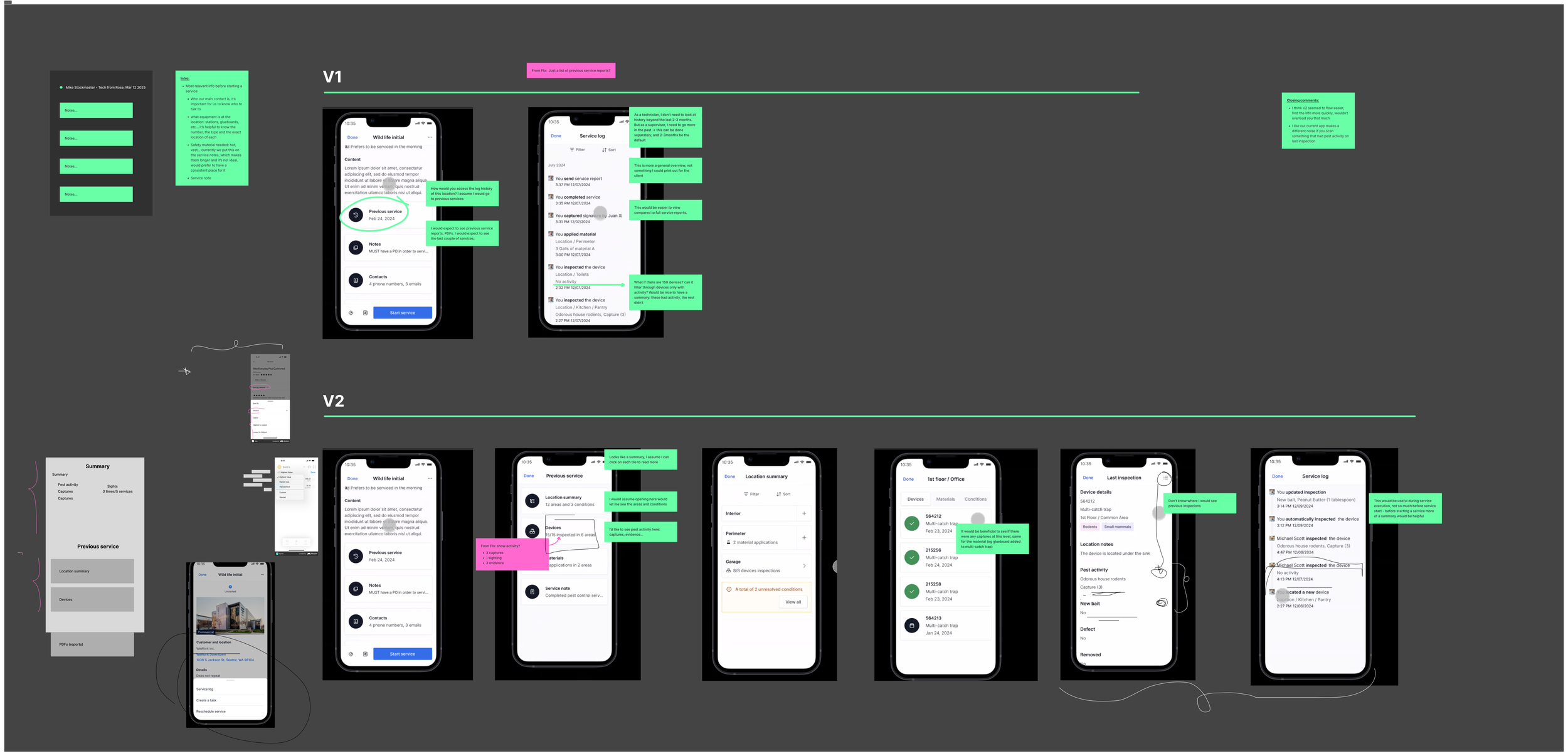
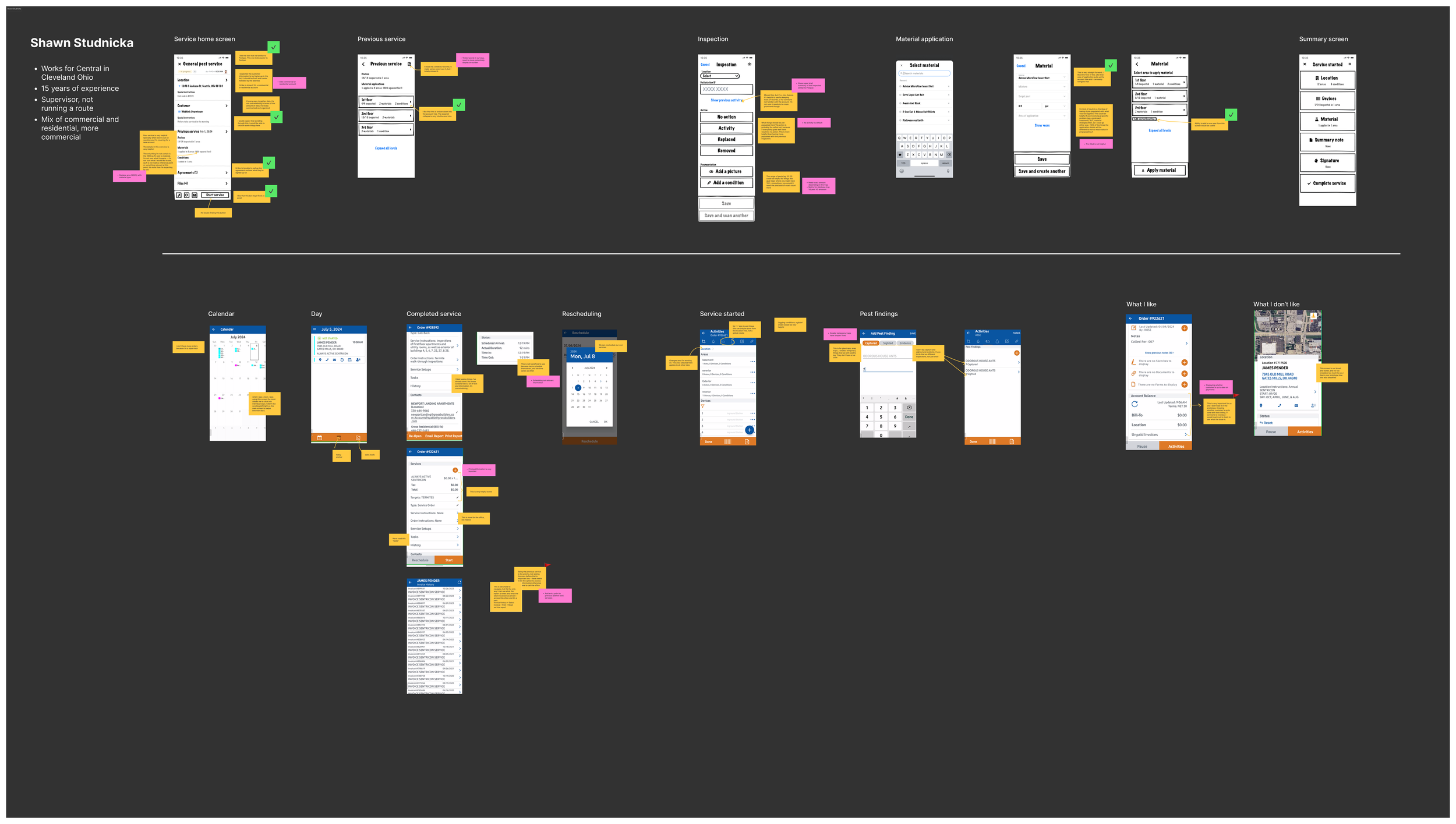
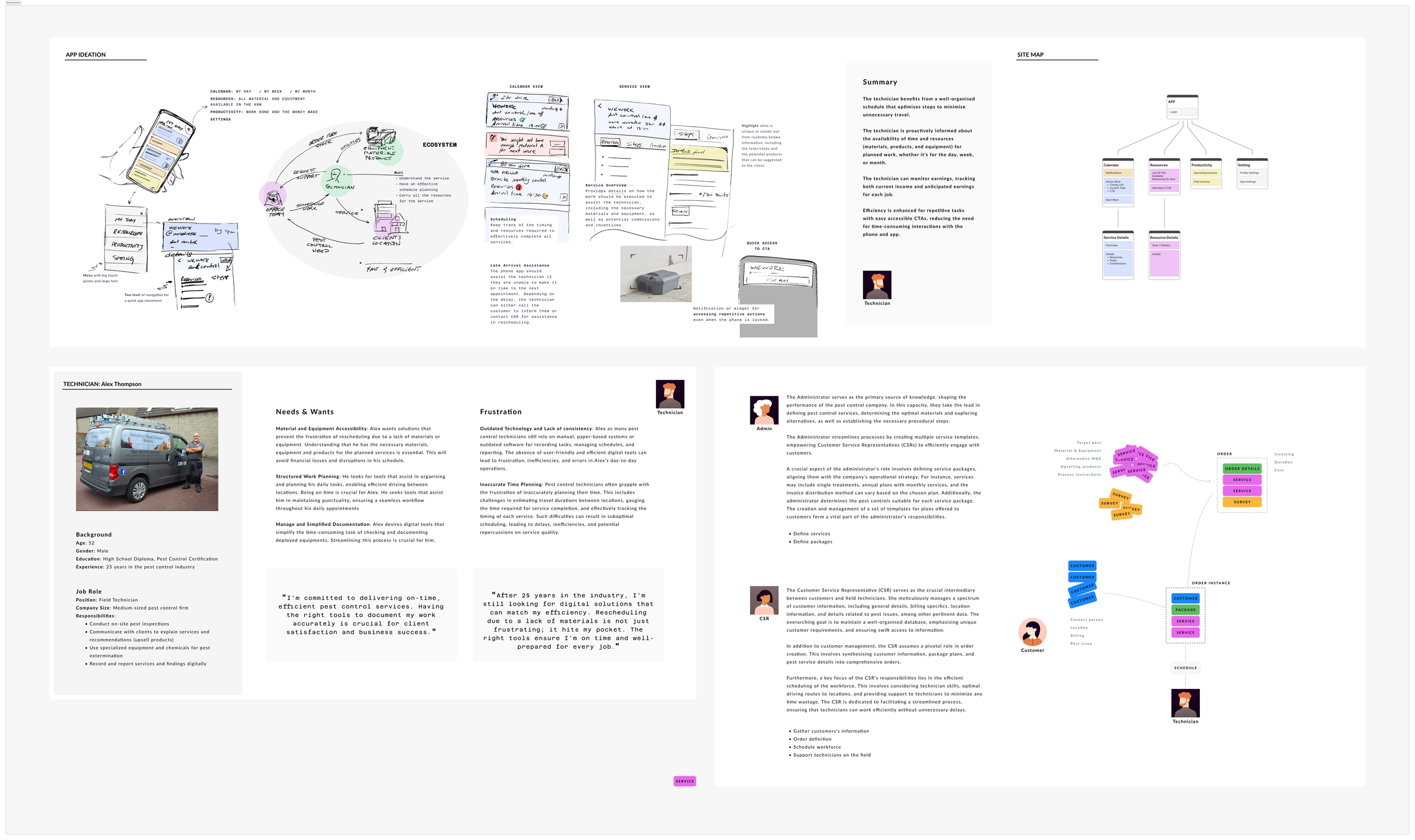
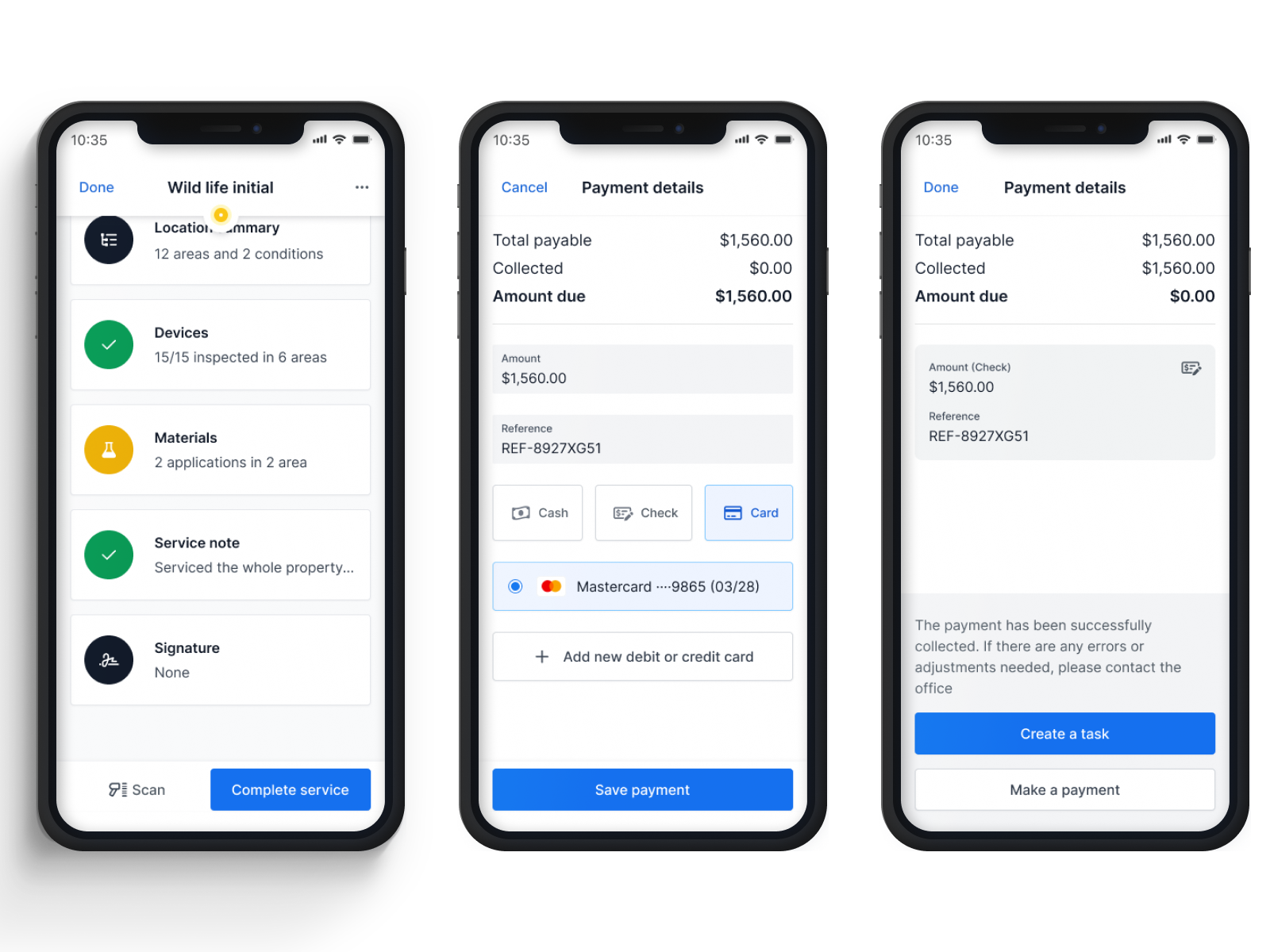
Instead of extending an already fragmented mobile experience, I began by analysing how technicians moved through inspection, service execution, and payment workflows in real environments, identifying gaps between system structure and operational behaviour.
From this research, I proposed a guided interaction framework that reorganised the technician experience around predictable task progression rather than isolated feature entry points. This framework established a clearer roadmap structure, allowing the team to prioritise high-impact improvements in early releases while ensuring future functionality could integrate consistently within the same interaction model.
Because engineering capacity was limited, the redesign was delivered as a staged transformation rather than a single release. I defined which structural improvements were critical for immediate usability gains and which could be introduced progressively as part of later iterations, ensuring the platform could evolve without reintroducing fragmentation.
Alongside the technician experience, I led the redesign of the service configuration and sales workflows across the web platform. This included defining how inspections informed quotes, how services were structured into packages, and how agreements moved from proposal to closure within a consistent interaction model accessible across environments.
Together, these changes aligned operational execution and commercial workflows into a scalable product structure supporting both field teams and office users.
IMPACT
Stabilised the technician mobile experience with a guided workflow framework supporting predictable task progression
Enabled scalable integration of new functionality without increasing interaction complexity
Improved alignment between inspection workflows, quoting logic, and service configuration
Reduced ambiguity in field execution through structured navigation and interaction sequencing
Established a consistent model for service package definition across sales workflows
Strengthened roadmap clarity by introducing a framework supporting phased delivery under capacity constraints
Improved cross-surface consistency between technician and office experiences
Created reusable interaction patterns supporting faster delivery across mobile workflows environments
RESPONSIBILITIES
• Owned end-to-end experience architecture for the technician mobile application
• Reframed product direction from feature delivery to a guided workflow framework supporting scalable roadmap evolution
• Led service lifecycle redesign across inspection, quoting, service packages, and agreement closure
• Defined cross-platform interaction principles aligning technician, sales, CRM, and billing workflows
• Produced high-fidelity prototypes that influenced roadmap direction and replaced a non-scalable implementation approach
• Established phased delivery strategy aligned with engineering capacity constraints
• Introduced reusable interaction patterns supporting expansion of technician workflows
• Partnered with product and engineering leadership to prioritise structural improvements over incremental UI changes
• Ensured implementation fidelity through validation, documentation, and iterative release alignment
Company:
40grid
Year: 2022
Role:
Principal product designer
Team:
Direct collaboration with CEO, CTO, senior engineers and QA
Deliverables:
Technician mobile interaction framework · Service execution workflow architecture (inspection → quoting → agreement closure → payment) · Cross-platform navigation alignment (mobile, tablet, web) · Sales workflow structure (leads, opportunities, service packages) · Responsive interaction principles across operational surfaces · Guided workflow sequencing for technician task progression · Location-attribute automation model supporting pricing logic · High-fidelity prototypes informing roadmap direction · Mobile component pattern library foundations · Implementation-ready specifications supporting phased delivery
Core skills:
Operational workflow architecture for field-service platforms · Technician-centred interaction design in constrained environments · Service lifecycle modelling across inspection and agreement workflows · Sales and quoting system structuring within SaaS platforms · Cross-surface experience alignment across mobile and web · Roadmap reframing through experience architecture strategy · Guided workflow design reducing execution errors in the field · Automation strategy through structured operational data · Prototype-driven product direction influence · Scalable interaction frameworks supporting progressive platform evolution
Tools:
Figma, Lyssna, Slack, Notion, Linear, AI-assisted research workflows
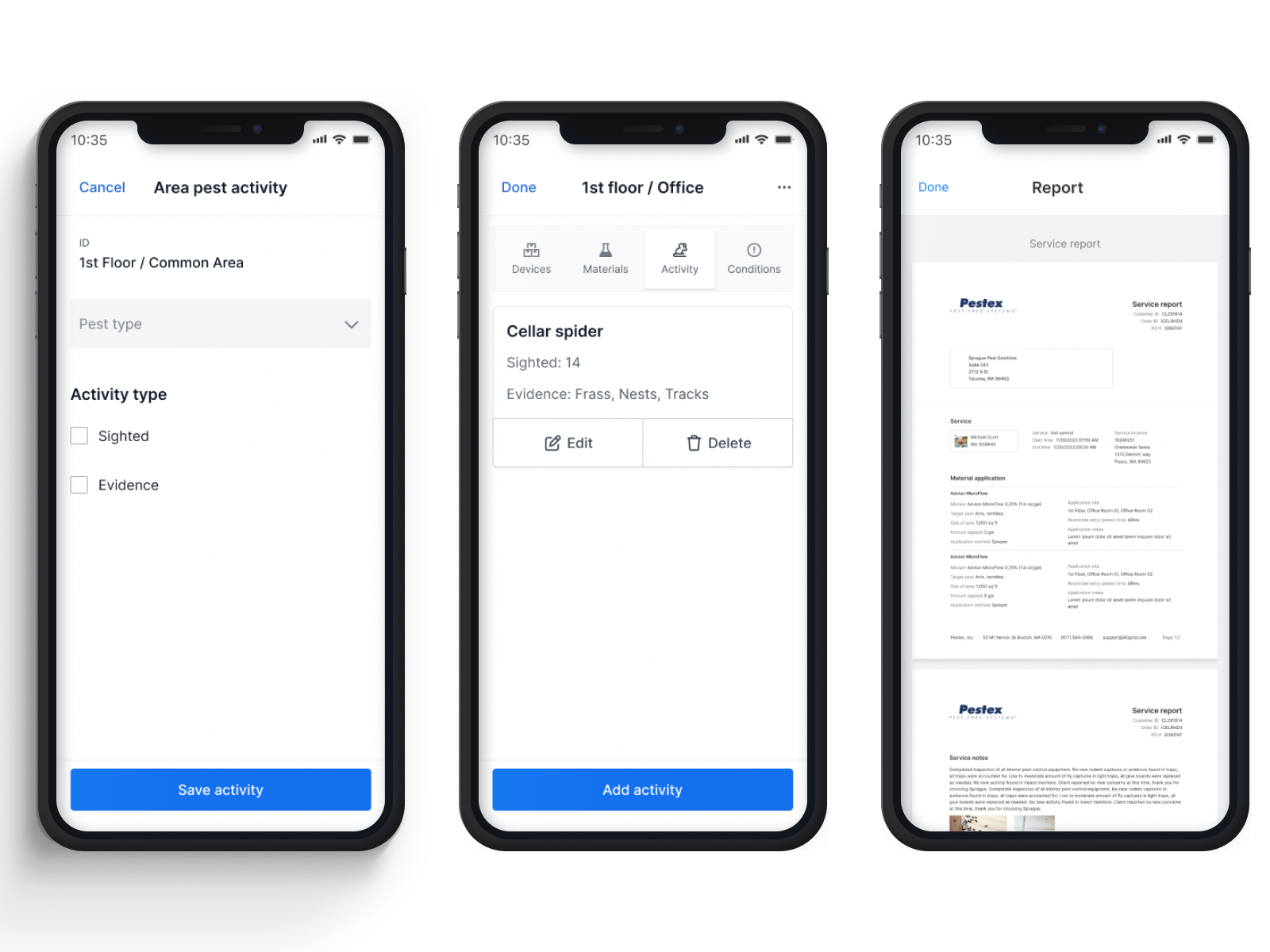
Location condition documentation